


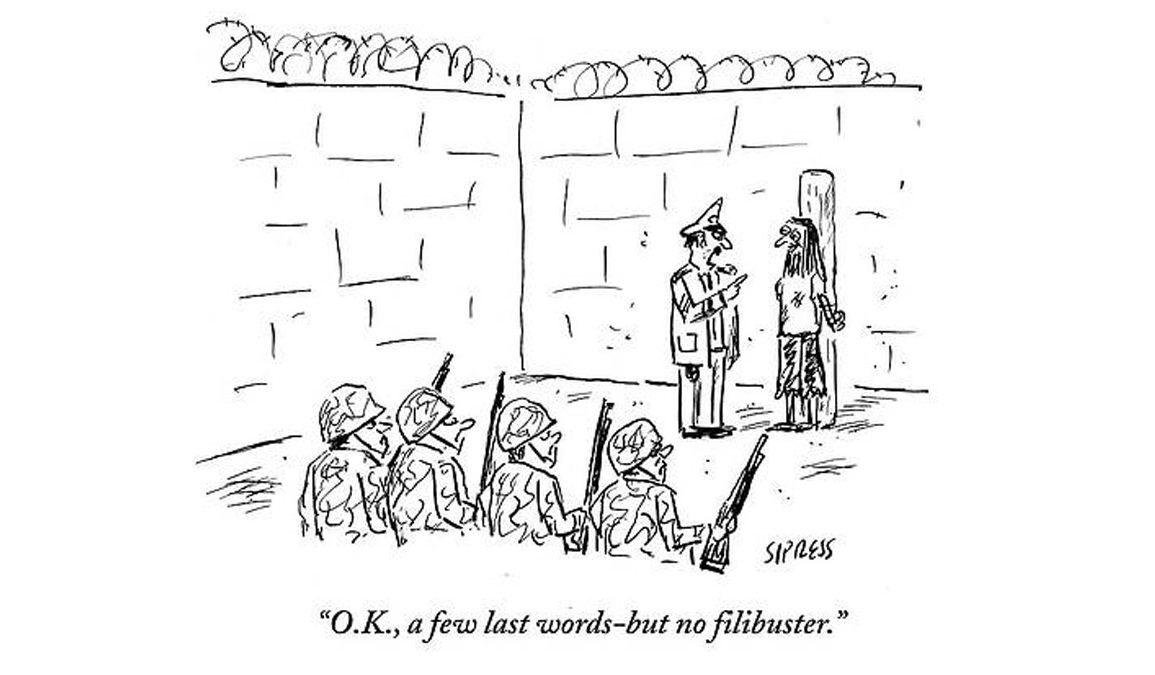
The Trump administration has taken a decisive step in reshaping federal capital punishment, with the Department of Justice (DOJ) formally approving the use of firing squads as a method of execution. The move is part of a broader effort to restore and strengthen the federal death penalty after years of restriction and uncertainty.
On April 24, the DOJ directed the Bureau of Prisons to expand its execution protocols. These now include firing squads, lethal injection using pentobarbital, electrocution, and lethal gas.
The department described this as part of its responsibility to “seek, obtain, and implement lawful capital sentences,” emphasizing that the justice system must follow through once appeals are exhausted.
At the same time, the DOJ is streamlining internal processes to reduce delays that have historically stretched executions out for decades. The goal is to make the system more predictable and aligned with the original intent of sentencing.
A Federal Policy, Not a Blanket Nationwide Rule
This policy applies specifically to federal death penalty cases, not state-level executions. However, federal executions must still comply with the laws of the state where they are carried out.
This creates an interesting dynamic. The DOJ has acknowledged that it may need to relocate execution sites or construct new facilities in states that allow a wider range of methods.
In other words, while the federal government is expanding its options, it must still operate within the legal framework of individual states.
Why the Firing Squad Is Being Reintroduced
The return of the firing squad is not arbitrary. It is largely driven by practical and legal challenges surrounding lethal injection.
For years, lethal injection has been the primary method of execution. But it has faced repeated legal challenges over concerns about pain and suffering. The Biden administration halted its use in part because of the risk of “unnecessary pain and suffering.”
The DOJ’s report points out that firing squads and other alternative methods have already been deemed constitutional under the Eighth Amendment, which prohibits cruel and unusual punishment.
Lethal injection has long been criticized as unreliable and subject to legal uncertainty. Prisoners and their attorneys have repeatedly argued that the drugs used can cause significant pain, leading to prolonged court battles.
Even when courts have allowed its use, the controversy has not gone away. The DOJ itself acknowledged that there has been “significant uncertainty” about whether pentobarbital causes unnecessary suffering.
This ongoing uncertainty has slowed down executions and created a system where sentences are handed down but rarely carried out in a timely manner.
By introducing alternative methods like the firing squad, the administration is attempting to remove these obstacles and provide a more dependable path to enforcement.
Acting Attorney General Todd Blanche framed the policy in strong terms, arguing that previous leadership failed to uphold its responsibilities.
“The prior administration failed in its duty to protect the American people by refusing to pursue and carry out the ultimate punishment against the most dangerous criminals,” Blanche said.
He emphasized that the renewed approach is about enforcing the law and standing with victims, particularly in cases involving terrorists, child murderers, and killers of law enforcement officers.
The DOJ also stated that these steps are “critical to deterring the most barbaric crimes, delivering justice for victims, and providing long-overdue closure to surviving loved ones.”
Not everyone agrees with the direction. Senator Richard Durbin sharply criticized the move, calling it “a stain on our nation’s history.”
He argued that the policy strengthens what he described as a “cruel, immoral and often discriminatory form of punishment.”
This divide reflects a broader national debate over capital punishment, with supporters emphasizing justice and deterrence, while opponents focus on moral and legal concerns.
President Trump has also directed the Bureau of Prisons to explore expanding or relocating federal death row and even constructing additional execution facilities.
This signals a long-term commitment to maintaining and enforcing the death penalty at the federal level.
The administration is also revising the Justice Manual to streamline how death sentences are pursued and to ensure that victims’ families are consulted throughout the process.
NP Editor: This is very much a common sense measure. Death by firing squad is instant and painless. It may be gruesome to an audience but very human to the subject.