
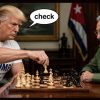

A new round of high-stakes discussions between Cuba and the United States is quietly taking shape, and at the center of it all is an unexpected figure: Raúl Castro. Though officially retired, the 94-year-old revolutionary remains the most powerful force in Cuba’s political system and is now helping guide early negotiations with Washington.
A Shadow Leader Returns to Influence
Cuban President Miguel Díaz-Canel confirmed that Castro is actively involved in shaping the dialogue with the United States, even though he no longer holds formal office. Díaz-Canel described him as “the historical leader of this revolution” with a “prestige earned with the people” and a level of authority “no one can deny.”
Despite stepping down from the presidency in 2018 and party leadership in 2021, Castro continues to guide major decisions behind the scenes. Experts say the real power in Cuba still resides with him and the military structure he oversees. One analyst put it bluntly: “The real power resides in the military, under Raúl Castro.”
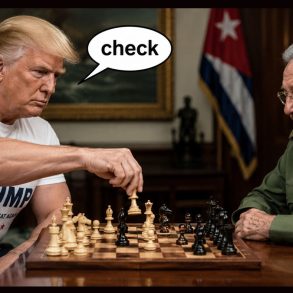
The talks remain in their early stages, but the outlines of a potential deal are emerging. According to sources cited in the reporting, the United States, led by Donald Trump, is pushing for major political change in Cuba. One reported goal is the removal of Díaz-Canel from power in exchange for easing economic pressure, particularly sanctions and the ongoing oil blockade.
Díaz-Canel emphasized that any agreement would take time, explaining, “First, we must build a channel for dialogue. Then, we must build common agendas of interests.”
On the U.S. side, Marco Rubio is leading negotiations. His role is especially sensitive given his Cuban American background and the expectations of exile communities that oppose the Castro-led system.
At the same time, Trump has used aggressive rhetoric, stating he would have “the honor of taking Cuba,” while also pursuing diplomatic engagement.
Why Cuba Is at the Table
Cuba’s willingness to negotiate is being driven by a severe and worsening economic crisis. The country is experiencing nationwide blackouts due to a collapsing power grid, made worse by an oil blockade that has cut off fuel shipments for months.
The consequences are stark. Millions have been left without electricity, economic activity has slowed to a near standstill, and basic services are breaking down. United Nations officials warned the situation could escalate into a “humanitarian crisis.”
The crisis is already affecting critical areas of life. Around a million people have lost reliable access to water. Tens of thousands of children risk falling behind on vaccinations, and surgeries for thousands of patients could be delayed or canceled.
“If the current situation continues… we do fear an accelerated deterioration with the possible loss of lives,” warned U.N. coordinator Francisco Pichón.
The Key Players in Cuba
While Castro remains the central figure, several other individuals are shaping the outcome of these talks.
One of the most important intermediaries is Raúl Guillermo Rodríguez Castro, Castro’s grandson, known as “Raulito.” He has reportedly held secret meetings with U.S. officials and is described as “the connection between Raúl Castro and whoever is on the U.S. side.”
Another rising figure is Oscar Pérez-Oliva Fraga, a technocrat with growing influence. He has been promoted rapidly and is now seen as a possible future leader. Analysts say he has “commercial negotiation skills” and could represent a more reform-oriented approach.
Prime Minister Manuel Marrero is also in the mix, though his role appears more traditional within the existing system.
Could a Castro Still Lead Cuba?
Speculation is growing that another member of the Castro family could take power, even as the U.S. pushes for change. Two candidates have emerged: Pérez-Oliva Fraga and Rodríguez Castro.
However, not all experts believe a Castro name would be acceptable in a transition. “He cannot be the transitional figure… because his last name disqualifies him,” one analyst said of Rodríguez Castro.
Some observers suggest Cuba could follow a path similar to Venezuela, where Delcy Rodríguez rose to prominence during a U.S.-backed transition. In Cuba’s case, Pérez-Oliva Fraga is seen as a potential equivalent, someone who could bridge continuity and reform.
His family ties to the Castro lineage give him credibility within the system, while his technocratic profile may make him more acceptable to international negotiators.
Cuban Unrest
Inside Cuba, public frustration is growing. Many citizens are skeptical of leadership figures, especially those seen as disconnected from daily hardships. One young Cuban criticized Rodríguez Castro’s lifestyle, saying, “The people are suffering while he enjoys life.”
At the same time, Díaz-Canel’s popularity has declined sharply following economic struggles and a crackdown on protests. Some experts believe he could be replaced before his term ends.
Yet Cuban officials insist that core elements of the system are not negotiable. “The Cuban political system is not up for negotiation,” said Deputy Foreign Minister Carlos Fernández de Cossío.
What is clear is that Raúl Castro, despite his age and official retirement, remains the central figure holding the system together. Whether these negotiations lead to meaningful change or simply reinforce the existing order will depend on how far both sides are willing to go.
For now, the process remains fragile. As Díaz-Canel noted, “A process of conversations that leads to an agreement is a long process.”
NP Editor: Trump is not a man of patience, and I get the feeling the people of Cuba will not be patient with their economic lot.
Remember that Cuban Americans believe they are still owed reparations because Fidel Castro stole their land and businesses. I can’t see Castro agreeing to this, since it would taint his brothers legend to have to pay back what he stole.
The CIA had a much larger role in Venezuela than people know, and I suspect they will be there again – and this may be the deciding factor.