


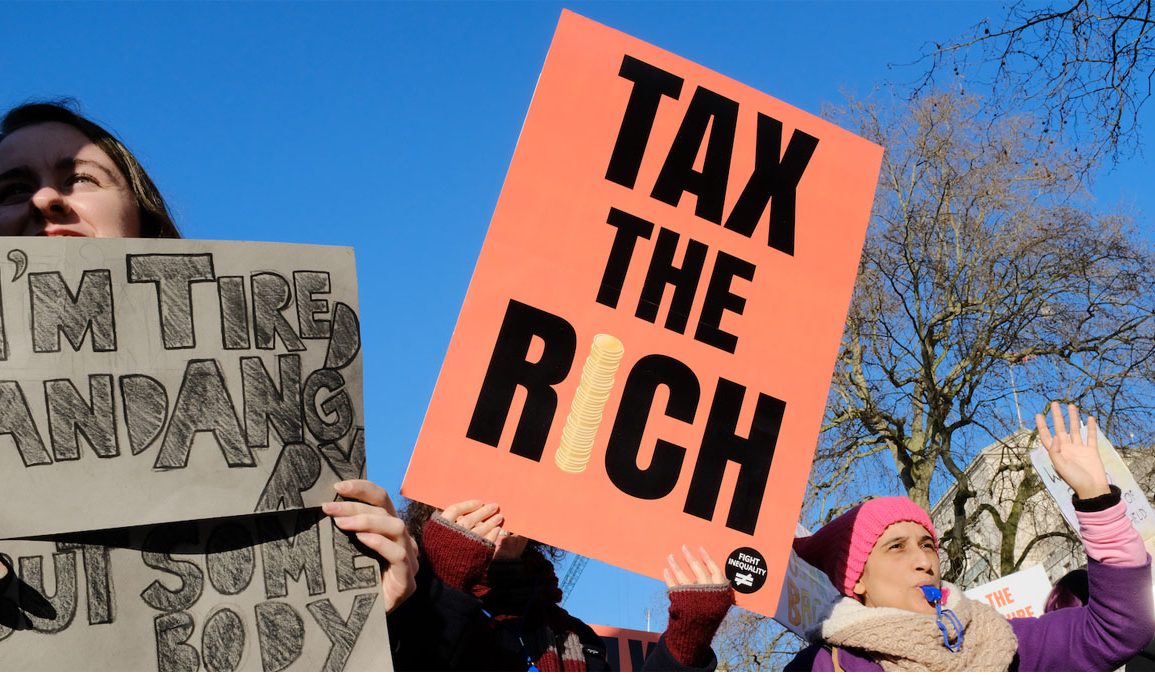
Across the United States, liberal-led states are increasingly targeting their most successful residents with aggressive new taxes. These policies are framed as fairness and a way to fund social programs, but the early results suggest something very different. Wealth is not sitting still. It is moving, and in some cases, it is leaving entirely.
Washington State Joins the Tax Push
Washington State has taken a historic step by enacting its first income tax, aimed directly at high earners. The new law imposes a 9.9 percent tax on income above $1 million starting in 2028.
Governor Bob Ferguson defended the move by arguing the system needed to be rebalanced, claiming lower-income residents pay a higher share of their income in taxes than the wealthy. Supporters say the money will fund child care, school meals, and tax credits.
But critics see a familiar pattern. Once a state begins targeting a narrow group, it often expands over time. They also warn that high earners, especially entrepreneurs and investors, have options. They can move.
California Shows What Happens Next
California is already seeing the consequences. A proposed 5 percent wealth tax on billionaires has triggered a wave of departures before it has even been approved by voters.
Some of the most prominent names in tech and finance have already made moves. Google co-founders Larry Page and Sergey Brin, investor Peter Thiel, and venture capitalist David Sacks are among those who have distanced themselves from the state. Mark Zuckerberg has also relocated to Florida, joining what has been called the “Billionaire Bunker.”
Estimates suggest that between $700 billion and $1 trillion in wealth may leave California in response to the proposed tax. That is not a future projection. It is already happening.
The state has long struggled with outmigration, losing 1.6 million residents over a decade along with billions in tax revenue. Now the trend is accelerating, with analysts warning that billions more could disappear annually.
Even Governor Gavin Newsom has expressed concern, warning that these policies risk driving away the very people who fund the state’s budget.
A Broader Trend Across Blue States
California is not alone. Massachusetts has already implemented a surtax on million-dollar incomes, bringing in billions. Colorado is considering replacing its flat tax with a system that raises rates on high earners. New York leaders are pushing for higher taxes on wealthy households.
Across these states, the strategy is clear. When spending increases or budgets tighten, the solution is to go after the wealthy.
Supporters argue this is about equity and making the rich “pay their fair share.” Critics argue it reflects a deeper misunderstanding of how wealth works and how quickly it can relocate.
Elizabeth Warren’s Vision
At the national level, Senator Elizabeth Warren has pushed for even more aggressive measures. Her Ultra-Millionaire Tax would impose annual taxes on wealth above $50 million, with rates reaching 6 percent for billionaires.
She argues that wealth is highly concentrated and that taxing it could generate trillions in revenue to rebuild the middle class.
But critics point out that much of that wealth is tied up in businesses and investments, not cash sitting in a vault. Forcing those assets to be taxed annually could lead to asset sales, reduced investment, and capital flight.
The Heritage Warning
Analysts at the Heritage Foundation argue that these policies ignore basic economic behavior. When governments target wealth, people respond.
They point to historical examples like England’s window tax, where people reduced the number of windows in their homes to avoid higher taxes. The principle is simple. When you tax something, you get less of it.
Today, that response takes the form of relocation, restructuring assets, or shifting investments. Wealth moves to lower-tax states. Businesses follow. Jobs eventually follow as well.
They also warn that taxing wealth discourages innovation and risk-taking. If success is heavily penalized, fewer people will take the risks needed to build companies and create jobs.
The Revenue Problem
One of the biggest issues with these policies is that they are often sold as a solution to massive budget problems. But even optimistic projections suggest the revenue gains are relatively small compared to long-term deficits.
At the same time, the tax base itself may shrink. California’s experience shows that people act before taxes take effect. By the time governments try to collect, much of the wealth may already be gone.
This creates a dangerous cycle. States raise taxes expecting more revenue, only to see their tax base erode, leading to calls for even higher taxes.
Liberal states are increasingly taxing the hell out of their most prosperous citizens, convinced that doing so will solve inequality and fund growing government programs. But the evidence suggests a different outcome.
Wealth is leaving. High-profile individuals are relocating. Tax bases are shrinking. And the promised revenue is far less certain than advertised.
What looks like a simple policy solution is turning into a complex economic problem. And as more states follow this path, the consequences are becoming harder to ignore.
NP Editor: Whatever you subsidize you get more of, and of course, whatever you tax you get less of. The prosperous people in these states a economic force multipliers, and they will be moving where they are treated better.