
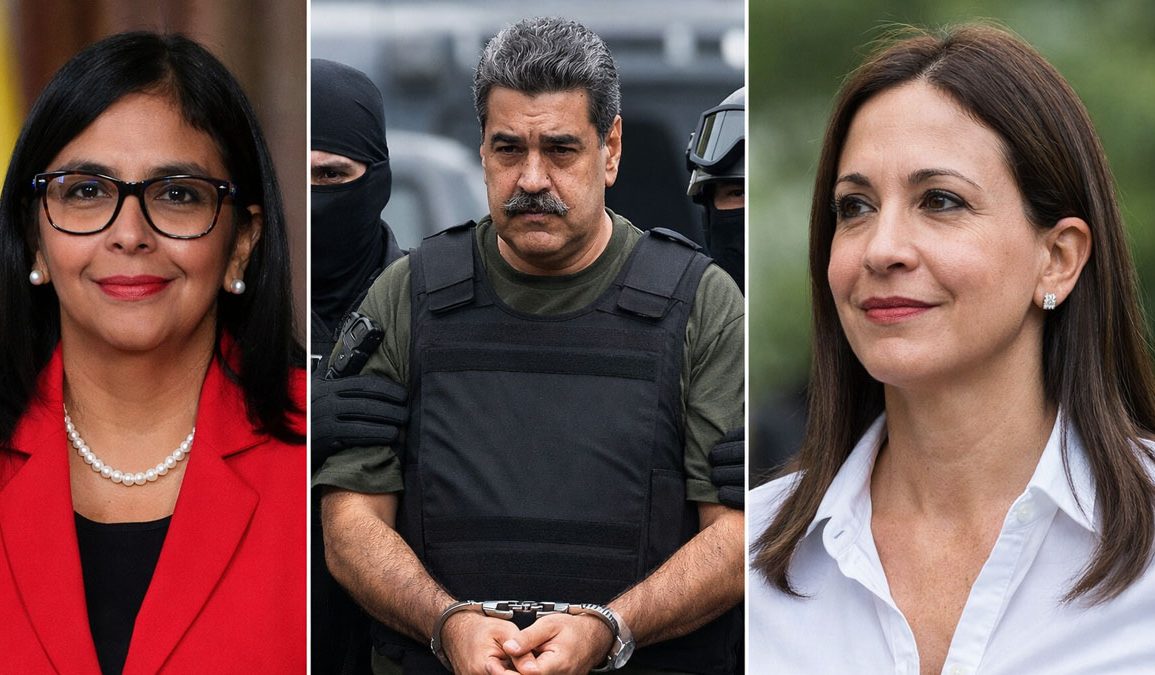
For the first time in more than a decade, many Venezuelans are daring to hope again. The capture of longtime ruler Nicolás Maduro by U.S. forces has jolted the country and its global diaspora. While fears and doubts remain, especially about democracy, there is a growing belief that daily life and the economy could finally improve.
Nicolás Maduro ruled Venezuela for 13 years after the death of Hugo Chávez, presiding over economic collapse, mass emigration, and rising repression. In early January 2026, a U.S. military operation captured Maduro and removed him from power. Instead of a clean political break, his inner circle largely remained in place. Vice President Delcy Rodríguez quickly became acting president, keeping much of the existing power structure intact. For many Venezuelans, this felt less like a revolution and more like a sudden forced transition.
Celebrations Across the Venezuelan Diaspora
Outside Venezuela, the reaction was immediate and emotional. In cities like Santiago, Chile, thousands of Venezuelan exiles poured into parks, hugging, chanting, crying, and waving flags. Many spoke openly about returning home for the first time in years. For a population scattered across Latin America and beyond, the capture of Maduro symbolized the end of a chapter they had fled from.
At the same time, leaders in the diaspora urged caution. While Maduro was gone, the regime he built over 25 years had not collapsed. Still, the celebrations reflected something powerful: the return of hope after years of despair.
Economic Hopes Begin to Take Shape
Inside Venezuela, the most immediate changes have been economic. Relations with the United States thawed quickly. The Trump administration authorized the sale of $500 million in Venezuelan oil and directed $300 million of that money into Venezuelan banks to stabilize the currency and curb inflation.
The impact was felt almost immediately. Meat prices fell by nearly 60 percent in some markets. Other basic foods like chicken and eggs also dropped, with expectations that staples such as rice and cornmeal will follow. For retirees and low income families, this meant being able to afford food they had gone without for years.
The bolivar also showed signs of life. After years of collapse, the currency strengthened sharply in recent weeks as U.S. dollars entered the system. While still fragile, this shift gave Venezuelans a sense that hyperinflation might finally be easing.
Beyond food prices and currency stabilization, other indicators suggest cautious optimism. Lawmakers are moving to loosen government control over the energy sector, reduce red tape, and streamline licenses and permits that once strangled private business. These changes aim to attract foreign investment and revive oil production, which collapsed due to corruption, mismanagement, and sanctions.
Real estate prices have begun to rise, and Venezuela’s defaulted bonds and stock market shares have surged as investors bet on reintegration into the global economy. U.S. diplomats are preparing to reopen the embassy in Caracas, and American oil executives are planning visits to assess opportunities. Entrepreneurs also see potential beyond oil, including technology, agribusiness, logistics, fintech, and health care.
What Stands in the Way of Economic Recovery
Despite these improvements, major obstacles remain. Venezuela’s infrastructure is badly damaged, from unreliable electricity to broken water systems. Corruption is deeply entrenched, and many fear that reforms could stall or be reversed. Businesses still face currency problems, as many goods must be paid for in scarce U.S. dollars or foreign currencies.
Political risk also weighs heavily on investors. Without clear rules, strong property rights, and predictable policies, large scale investment may remain limited. The long term recovery of oil fields alone will require years and massive capital.
Hopes and Doubts About Democracy
While economic optimism is growing, confidence in democracy is far weaker. Maduro’s capture did not dismantle the repressive system he left behind. Masked security forces still patrol cities, and there is little concrete talk of free and fair elections.
Delcy Rodríguez has released more than 200 political prisoners and described this period as a “new political moment.” Families of detainees and human rights groups welcome the releases but note that many prisoners remain jailed, and the process appears tightly controlled.
Many Venezuelans hope that democratic elections could take place later this year and that opposition figures like Maria Corina Machado might be allowed to return from exile and run. Students, activists, and families of prisoners have resumed cautious protests, pressing for full political freedoms.
Barriers to a Democratic Transition
The biggest challenge to democracy is that much of the old regime still holds power. Analysts warn that Rodríguez may consolidate authority while offering limited concessions to appease both the population and the United States. The armed forces and paramilitary groups remain a concern, as does the lack of an independent judiciary.
History also weighs heavily. Past attempts to remove Maduro failed, and many Venezuelans fear another false dawn. True democracy would require dismantling corrupt institutions, freeing all political prisoners, allowing open elections, and restoring trust in the state.
For now, Venezuelans are living in between fear and optimism. The capture of Maduro has brought real, tangible economic relief and a sense that the country may finally be moving forward. At the same time, democracy feels delayed, uncertain, and fragile.
Still, after years of hunger, inflation, and silence, even modest improvements matter. As one Venezuelan put it while shopping for affordable meat for the first time in years, it finally feels like things could improve. For a nation that has endured so much, that feeling alone is a powerful beginning.