

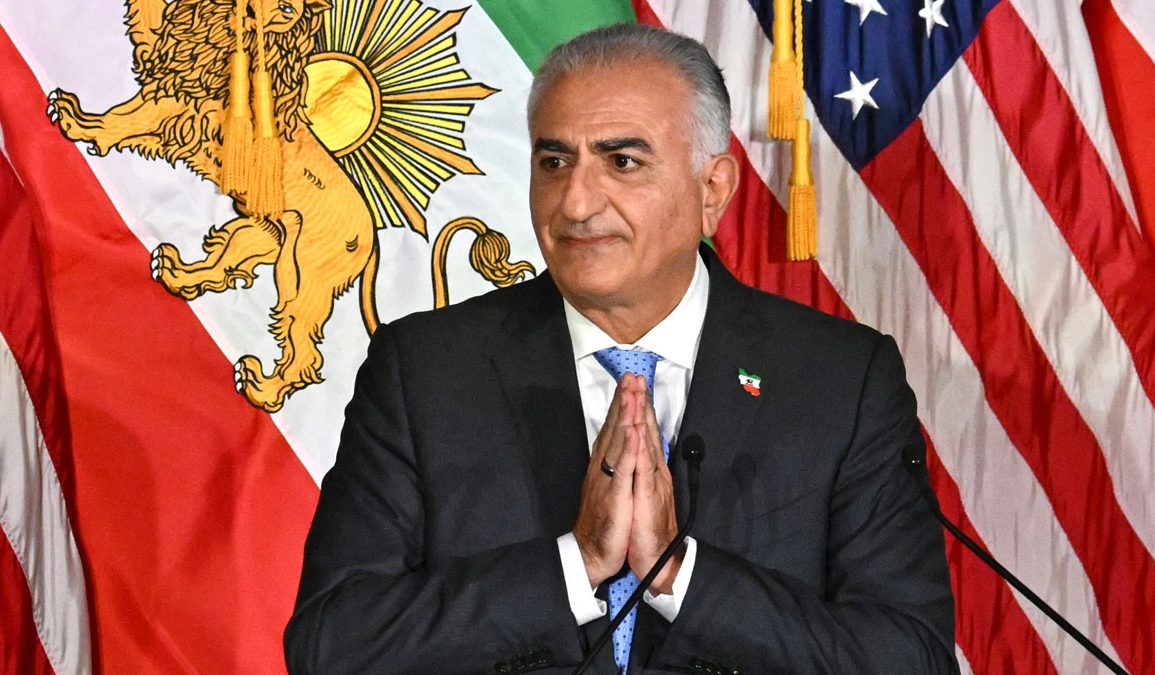
Iran is facing one of the most serious challenges to its ruling system since the 1979 Islamic Revolution. Massive protests have spread across major cities and smaller towns alike, driven by economic collapse, political repression, and deep public anger at the clerical leadership. In this volatile moment, Reza Pahlavi, the exiled son of Iran’s last shah, has stepped forward, presenting himself as a central figure for a possible transition. His emergence has energized supporters and sharpened criticism at the same time.
The State of Iran Today
Iran is under extraordinary strain. The economy has buckled under sanctions, mismanagement, and corruption. The national currency has plunged, inflation has soared above 40 percent, and daily life has become a struggle for millions. At the same time, the government has responded to protests with lethal force, killing thousands over recent years and arresting many more. Internet blackouts, censorship, and intimidation have become routine.
Recent demonstrations, some of the largest since the 2022 Woman, Life, Freedom uprising, reflect anger that cuts across regions, age groups, and social classes. Protesters chant against Supreme Leader Ali Khamenei and reject the Islamic Republic outright. Some also use monarchist slogans, signaling not so much a clear desire for restoration as a rejection of the current system.
Reza Pahlavi argues that the Islamic Republic is nearing its end. From exile, he has urged Iranians to sustain protests, organize general strikes, and escalate pressure on the authorities. He has called on the international community to apply maximum pressure on Tehran through sanctions, diplomatic isolation, and targeted actions against the Revolutionary Guards.
Pahlavi says he is preparing to return to Iran when conditions allow. He presents himself not as a future monarch imposed from above, but as a figure who would help guide a transition toward a secular democracy, followed by free and fair elections or a referendum to decide Iran’s future system.
How Popular Is Pahlavi Inside Iran?
Measuring Pahlavi’s true popularity inside Iran is extremely difficult. Some protests have featured chants such as “Long live the Shah” and the display of monarchist symbols like the old imperial lion flag. Supporters argue this shows a growing embrace of Pahlavi as a unifying leader.
Critics counter that these slogans reflect nostalgia for stability rather than widespread support for monarchy or for Pahlavi personally. They point out that Iran’s protests are highly diverse and that many demonstrators reject both clerical rule and a return to the shah’s system. Some videos circulating online have also been shown to be manipulated, further muddying the picture.
What Pahlavi Expects to Happen
Pahlavi believes the regime’s collapse is inevitable. He says that parts of Iran’s security forces are already refusing to participate in crackdowns and that sustained pressure will cause further defections. He expects the fall of the Islamic Republic to open space for a rapid political transition, with himself helping to coordinate international support and prevent chaos.
He has repeatedly said the regime will fall with or without foreign help, but that international action could shorten the process and save lives.
Pahlavi wants to act as a transitional leader and international spokesperson rather than an imposed ruler. He has emphasized his willingness to submit to elections and has called for internationally monitored votes once the regime collapses. In his speeches, he frames his role as facilitating unity, maintaining order, and linking the Iranian people with global support.
Why Critics Say He Cannot Do This
Many analysts and activists argue that Pahlavi lacks the qualities needed to lead a revolution or a transition. They say he has no real organizational infrastructure inside Iran, no disciplined political movement, and no clear command over events on the ground. He has lived outside Iran for nearly five decades, making him a distant figure to many Iranians risking their lives in the streets.
Critics also warn that his high-profile ties to foreign governments, particularly the United States and Israel, allow the regime to portray the protests as foreign-backed plots. This, they argue, undermines the legitimacy of the movement inside Iran.
Even some who describe Pahlavi as sincere and personally committed to democracy question his leadership abilities. Former allies have pointed to weak management skills, poor judgment in advisers, and a tendency to present himself as the sole alternative during moments of unrest. His withdrawal from previous opposition coalitions and reports of his supporters harassing non-monarchist dissidents have deepened divisions.
Unlike revolutionary figures who emerge from sustained struggle, Pahlavi has not built institutions, led underground networks, or endured the same risks as activists inside Iran. For critics, this creates a serious legitimacy gap.
Pahlavi’s Power Base
Pahlavi’s main support comes from segments of the Iranian diaspora, monarchist groups abroad, and Persian-language media that give him extensive coverage. His appeal is also rooted in nostalgia for pre-revolutionary Iran, especially among those who associate that era with national pride and relative stability. He relies largely on donations and media exposure rather than a structured political machine.
Supporters see Pahlavi as the most recognizable opposition figure, someone who can attract international attention and pressure Iran’s rulers at a critical moment. They argue that his name and symbolism help unify disparate protests.
Opponents respond that recognition is not the same as leadership. They stress that Iran’s true leaders are those imprisoned, tortured, or killed for resisting the regime from within. Many insist that Iran’s future must be decided by Iranians inside the country through free elections, not shaped around any single figure in exile.
Iran’s regime is weakened but still formidable. Economic collapse, an aging supreme leader, and regional setbacks have created unprecedented vulnerability. Yet the state retains powerful security forces and has survived past uprisings through brutal repression.
Whether Reza Pahlavi becomes a meaningful part of Iran’s future or remains a symbolic figure depends on events inside the country. What is clear is that Iran stands at a historic crossroads, and the outcome will be determined less by exiles abroad than by the courage, organization, and choices of Iranians on the ground.
NP Editor: We predict that Pahlavi will be marginalized. This will not be a stable situation for a long time, and could easily descend into civil war.