

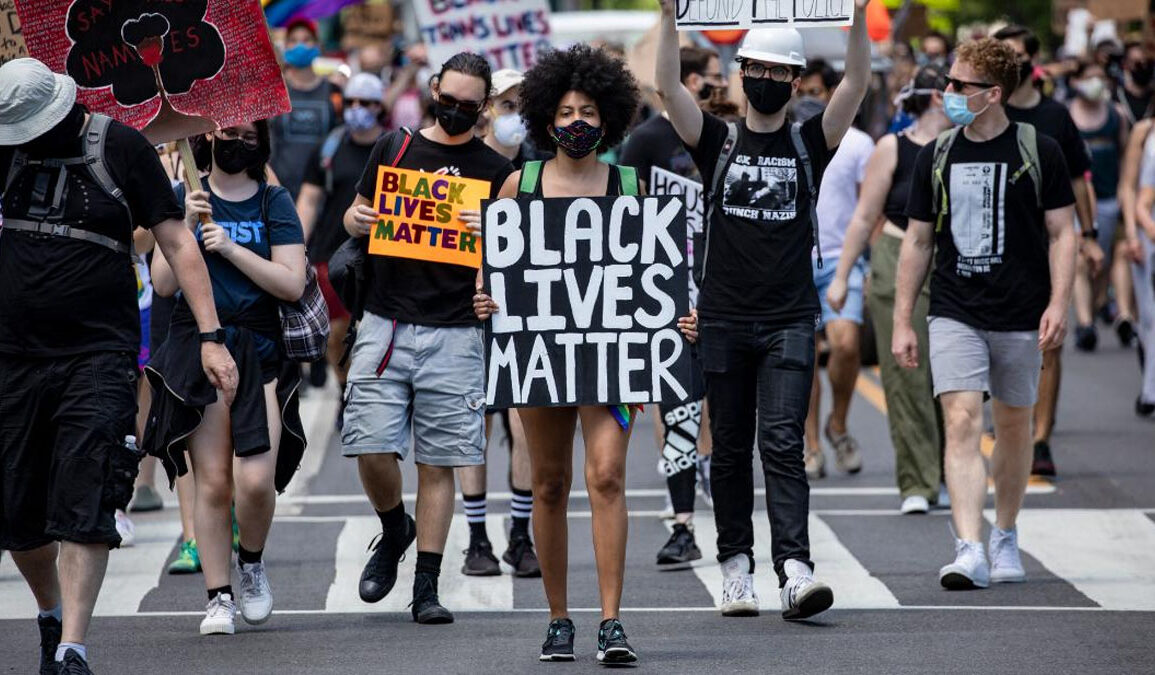
The Department of Justice has launched a sweeping investigation into whether leaders of the Black Lives Matter Global Network Foundation and related organizations defrauded donors who contributed tens of millions of dollars during the 2020 racial justice protests. According to multiple individuals familiar with the matter, federal agents have issued subpoenas and at least one search warrant in recent weeks, marking the most serious federal scrutiny the organization has faced to date.
The Focus of the DOJ Probe
The investigation, run out of the U.S. Attorney’s Office for the Central District of California, centers on allegations that BLM leaders misused charitable donations collected after the death of George Floyd. While officials have not confirmed whether charges will be filed, the investigation reportedly examines whether contributions meant to support racial justice efforts were diverted for personal or unauthorized uses.
The case gained renewed momentum under the Trump administration, though sources said it began during the Biden era. Prosecutors are said to be examining discrepancies between BLM’s reported finances and its actual expenditures. The foundation acknowledged receiving over $90 million in donations in 2020, much of it from individuals and corporations who rallied behind the movement after Floyd’s killing.
Accusations and Controversies
BLM’s leadership has faced repeated criticism over its financial transparency. In 2022, foundation officials admitted using donor funds to purchase a $6 million Los Angeles property that included a six-bedroom home. The revelation fueled accusations that the organization had strayed from its stated mission. Critics claim BLM operates with limited oversight, while supporters argue that conservative opponents have exaggerated the group’s missteps for political gain.
The foundation insists it has done nothing wrong, maintaining that it is “not a target of any federal criminal investigation.” In a statement, BLM said it remains committed to “full transparency, accountability, and the responsible stewardship of resources dedicated to building a better future for Black communities.” Its latest public filing lists $28 million in assets for the fiscal year ending June 2024.
A Broader Pattern of Misuse
This is not the first time a BLM-affiliated figure has been caught in a financial scandal. Last year, Sir Maejor Page, founder of “Black Lives Matter of Greater Atlanta,” was sentenced to 42 months in prison for wire fraud and money laundering. Page collected more than $450,000 in donations after claiming the money would support racial justice efforts, but prosecutors said he used it for personal luxuries, including property purchases, travel, and entertainment.
The DOJ’s statement at the time underscored the damage such fraud does to legitimate causes. “When a fraudster like Page comes along and tries to get away with a fake charity scheme, it hurts legitimate nonprofit organizations,” said U.S. Attorney Rebecca C. Lutzko. That case now serves as a stark example for federal investigators examining potential irregularities in the national BLM network.
Political Tensions Surrounding the Case
The probe has also taken on political undertones. The U.S. attorney overseeing the Los Angeles office, Bill Essayli, is a Trump appointee and former California Republican assemblyman known for his criticism of BLM. Essayli once described the organization as “radical” while defending a white couple who defaced a BLM mural in Martinez, California. His recent disqualification from several cases due to procedural limits raises questions about how the investigation will proceed.
Progressive groups have voiced concerns that the Trump administration could use the DOJ to target left-leaning organizations critical of the president. Civil rights leaders fear the investigation could chill activism or delegitimize grassroots movements. Yet others argue that accountability is long overdue for a foundation that has operated with immense financial power and little structural oversight.
Whether the Justice Department’s probe will lead to criminal charges remains to be seen. Still, the investigation marks a new chapter in the public reckoning over how BLM managed the unprecedented financial windfall it received in 2020. For many supporters of transparency and integrity in nonprofit work, the outcome will determine whether the movement can regain the trust it once inspired—or whether it will be remembered as another example of idealism tainted by mismanagement.