
A New Military Bet on Poland
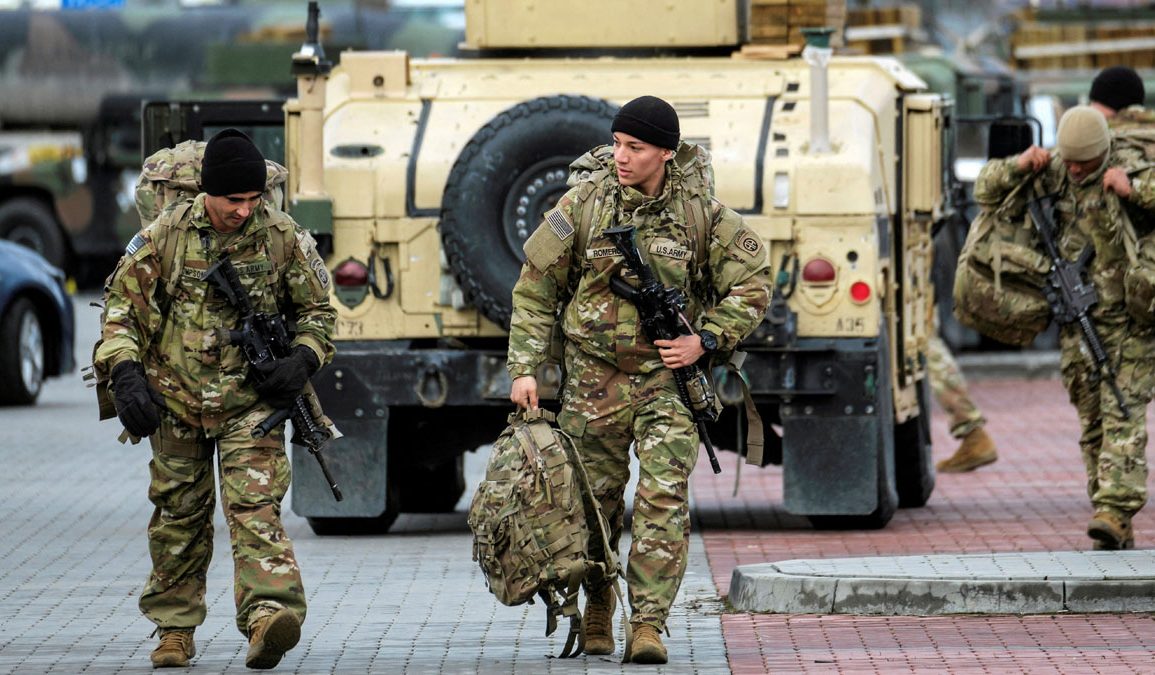
President Donald Trump has announced that the United States will send an additional 5,000 troops to Poland, a move that sends a message of disappointment to Europe. The decision comes after weeks of confusion surrounding U.S. military deployments and growing tensions with Germany, a longtime American ally that has increasingly found itself on the wrong side of Trump’s frustrations. According to Trump, Poland’s strong relationship with his administration and the election of Polish President Karol Nawrocki helped drive the decision. “Based on the successful Election of the now President of Poland, Karol Nawrocki,” Trump wrote, “I am pleased to announce that the United States will be sending an additional 5,000 Troops to Poland.”
The announcement also reflects a broader message from Trump: allies who cooperate with Washington and support U.S. priorities may be rewarded, while countries seen as difficult or unhelpful could lose influence, troops, and economic benefits.
The Strange Problem of Troops That Were Never Sent
The decision to deploy troops to Poland became controversial because the Pentagon had recently canceled a major troop rotation into the country. Defense Secretary Pete Hegseth halted the scheduled deployment of the 2nd Armored Brigade Combat Team of the 1st Cavalry Division, a Texas-based force of more than 4,000 troops that had been preparing to rotate into Poland and Eastern Europe. Reports suggested that some equipment and personnel had already begun moving when the deployment was abruptly canceled.
The cancellation angered lawmakers from both parties and reportedly caught Polish officials off guard. According to reporting cited in the material, Trump later questioned Hegseth directly about why the deployment had been canceled and made clear that Poland should not be treated poorly because it is a close American ally. Trump reportedly told Hegseth that the U.S. should not “treat Poland poorly” given its relationship with Washington.
That left a basic question hanging over Washington: if Poland is viewed as a valuable ally, why cancel the deployment in the first place? Trump’s order to send 5,000 troops appears to reverse that earlier decision, although officials have not clarified whether these are the same soldiers or whether some troops may instead come from elsewhere in Europe, including Germany.
Why Germany Became the Problem
Poland’s gain appears tied closely to Germany’s deteriorating standing with Trump. Earlier this month, Trump ordered the withdrawal of 5,000 U.S. troops from Germany after criticism from German Chancellor Friedrich Merz over the U.S. and Israeli war with Iran. Reports say Trump was angered by Merz’s comments and responded by ordering a military reduction that Pentagon officials said could take six to twelve months to complete.
Trump has also repeatedly criticized European allies for failing to support American priorities and for not spending enough on defense. Germany became a symbol of that frustration. While Poland has embraced closer cooperation and stronger defense ties, Germany found itself increasingly viewed as resistant and politically uncooperative. One Pentagon option reportedly under discussion involved moving the 2nd Cavalry Regiment from Germany to Poland, a move that would punish Germany while strengthening ties with Warsaw.
Secretary of State Marco Rubio reinforced the administration’s frustration, saying NATO relationships must involve shared expectations. “The president’s views, frankly disappointment, at some of our NATO allies and their response to our operations in the Middle East, they’re well documented,” Rubio said.
Why Poland Benefits
For Poland, the benefits go beyond military symbolism. The country already hosts about 10,000 U.S. troops and serves as one of NATO’s most important eastern outposts near Ukraine. American troops bring local spending, infrastructure investment, jobs, and economic activity to nearby communities. Poland’s government has openly offered to build facilities and even permanent housing to support a larger U.S. presence. Polish Deputy Defense Minister Pawel Zalewski said Warsaw is prepared to host American troops permanently and even cover the cost of new infrastructure. “We have to build a small city for this unit, and we are ready for that. We will cover the cost,” he said.
Poland has also earned favor by spending heavily on defense, allocating roughly 4.5 percent of its GDP to military spending and strongly backing Ukraine. Nawrocki praised the alliance with Washington as “a vital pillar of security for every Polish home.”
A Message to Europe
Trump’s Poland decision sends a broader signal across Europe. In Trump’s view, alliances are expected to produce clear cooperation and measurable support for U.S. goals. Poland appears to have passed that test. Germany, at least for now, appears to have failed it. The result is a striking military and political shift: more troops, more economic benefits, and closer ties for Poland, while Germany faces the prospect of watching American forces and influence move eastward.