


Colombia’s most powerful remaining guerrilla groups have issued open threats against the United States after the U.S. military operation in Venezuela that captured Nicolás Maduro and transported him to New York to face drug and weapons charges. What began as a bold U.S. strike has now shaken the entire region, especially Colombia, where guerrilla forces with long histories of violence, ideology, and narcotrafficking are now declaring that they will fight back.
Guerrilla Leaders Promise Armed Resistance
The National Liberation Army, known as the ELN, delivered one of the strongest statements. Through its Eastern War Front, the group declared that “once again U.S. imperialism violates the national sovereignty of the countries of Our America and the world.” It condemned the U.S. action as aggression against what it called the “Bolivarian Republic of Venezuela” and called on “all patriots” to “confront the imperial plans against Venezuela and the peoples of the Global South.” The ELN also urged countries in Latin America to “reject the gringo aggression, defend national sovereignty, and embrace unity and popular resistance,” signaling that it is trying to frame this as a continental struggle, not simply a border dispute.
Dissident members of the former FARC rebel army, who rejected Colombia’s peace process and returned to war, were equally direct and emotional. Writing publicly, they declared that they were prepared to spend the “last drop of blood fighting the U.S. empire.” These dissidents already compete with the ELN for territory and profits in the drug-producing regions near Venezuela, yet they appear united when it comes to opposing Washington.
Who These Armed Groups Are And Where They Operate
Two major guerrilla forces remain active in Colombia.
The first is the ELN, now considered the most powerful active insurgent group in the country. It controls major strategic corridors along the border with Venezuela. These areas are not just rural hideouts. They are essential routes for cocaine trafficking. An InSight Crime investigation described how three of the ELN’s five main fighting divisions actually operate from Venezuelan territory. There, they find protection, training ground space, logistics support, and freedom to move fighters and weapons across the border. Security experts say these bases were tolerated by Maduro’s government, giving the ELN room to expand.
The second major threat comes from FARC dissident groups. These are not the same organization that signed peace years ago. These are breakaway factions that either refused to lay down arms or later returned to violent operations. They are now deeply entrenched in Colombia’s coca producing zones and frequently fight with the ELN for control of those lucrative territories.
Both guerrilla movements are trying to present their threats as part of a larger political struggle. They describe the United States as an invading power and accuse Washington of regional domination. The ELN says it wants Latin America to unite in defense of sovereignty. The group insists it is acting in solidarity with “the Venezuelan people and government.” Meanwhile, FARC dissidents echo the same argument, presenting themselves as defenders against what they believe is a foreign empire.
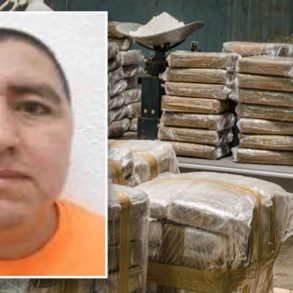
However, behind this revolutionary language is a much more practical reality. These armed groups depend heavily on narcotrafficking. They may speak of ideology, sovereignty, and resistance, but their money, weapons, and survival are fueled by cocaine.
Deep Links To Narcotrafficking And Regional Violence
The ELN controls key drug smuggling corridors. FARC dissidents control coca fields and production zones. Both benefit from Venezuela’s territory and political protection. Colombian intelligence sources cited by InSight Crime report that ELN fighters often cross into Colombia from Venezuela to launch major offensives, including one campaign in the Catatumbo region that reportedly killed more than 100 people. Their relationship with the Maduro government has been described as strategic, mutually beneficial, and rooted in ideology, illicit economy, and shared opposition to foreign military interference.
This combination of radical politics and powerful criminal financing makes them even more dangerous.
Everything escalated after the U.S. strike that captured Maduro. The operation shocked the region and led many Colombians to fear that their own country might become the next target of U.S. military action. These fears only grew when President Donald Trump issued a blunt warning to Colombian President Gustavo Petro, telling reporters that Petro should “watch his ass.” Trump accused Colombia of producing cocaine that flows to the United States, saying, “He’s making cocaine and they’re sending it into the United States, so he does have to watch his ass.”
Petro responded by calling the attack on Venezuela an “assault on the sovereignty” of Latin America. He immediately ordered troop reinforcements to the Venezuelan border and Colombia activated alerts for possible guerrilla attacks on both sides of the frontier.
A Brutal Fight Could Be Coming
History in Colombia shows that guerrilla movements are extremely difficult to defeat. They do not operate like traditional armies. They live in jungle terrain, disappear among local populations, wait out military pressure, and strike when it benefits them. When their hard-edged ideology is supported by enormous amounts of money from narcotrafficking, they do not run out of supplies, weapons, or recruits. Colombia experienced this during the long years of conflict with the FARC. It was costly, bloody, and exhausting.
Now, the ELN and FARC dissidents are stronger than they have been in years. They have ideological motivation, deep regional connections, and a massive criminal economy behind them. Trying to block them from moving freely between Colombia and Venezuela could become a brutal challenge, and some experts fear it may not even be possible.
The situation now combines politics, war, drugs, and international power struggle. Guerrillas are promising to fight the United States. Washington has shown it is willing to act when it chooses. Colombia fears it could become the next battleground. With heavily armed insurgents threatening violence and backed by billion dollar criminal networks, the road ahead may be violent and unpredictable.
The guerrillas say they are ready to spill their “last drop of blood.” The region must now prepare for what that promise may truly mean.