
The Trump administration is weighing a dramatic step that would send shockwaves through the United Nations system: declaring the United Nations Relief and Works Agency, known as UNRWA, a foreign terrorist organization. The move follows mounting allegations that the agency has been deeply compromised by terrorist groups operating in Gaza and beyond. Supporters of the action say it exposes a massive scandal at the heart of the U.N. and forces long overdue accountability. Critics warn it would upend humanitarian operations. Either way, the issue now sits squarely at the center of U.S. foreign policy.
What UNRWA Is and What It Is Supposed to Do
UNRWA was created in 1949 to provide aid and services to Palestinian refugees and their descendants. Today, it operates in Gaza, the West Bank, Lebanon, Jordan, and Syria. Its stated mission includes delivering education, primary healthcare, food assistance, shelter, water and sanitation services, and social protection payments. U.N. officials have repeatedly described UNRWA as the backbone of humanitarian aid in Gaza during the ongoing conflict.
According to UNRWA officials, the agency runs schools, clinics, emergency shelters, and cash assistance programs at scale, even under severe restrictions. Agency leaders say their services in Gaza have not stopped for a single day, relying in part on cash based aid and remote management when international staff cannot enter the territory.
The Accusations Against UNRWA
Israel and senior officials in the Trump administration accuse UNRWA of being far more than a neutral aid agency. They allege that UNRWA employees have actively supported Hamas, including participation in the October 7, 2023, attacks on Israel, guarding hostages, and aiding terrorist logistics.
Israeli authorities have accused UNRWA schools of glorifying terrorism and rejecting Israel’s right to exist. The United States halted funding to the agency in January 2024 after Israel alleged that a group of UNRWA staff took part in the Hamas assault that triggered the Gaza war. Later, U.S. officials described the agency as a corrupt organization with a proven track record of aiding and abetting terrorists.
Claims of Systemic Hamas Infiltration
Independent watchdogs have added fuel to the controversy. UN Watch released a database mapping what it describes as widespread terrorist infiltration of UNRWA. The group says it has documented nearly 500 UNRWA employees involved in terrorism, incitement, or membership in extremist organizations, along with hundreds of institutional links between UNRWA offices, Hamas controlled unions, and affiliated NGOs.
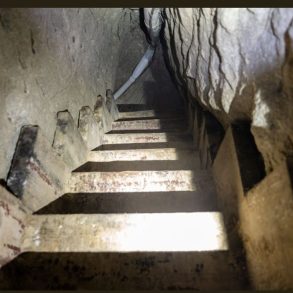
UN Watch argues that the problem is not a handful of rogue employees but a systemic failure that allowed Hamas and other terrorist groups to embed themselves within UNRWA’s workforce, schools, and infrastructure, including allegations that weapons were stored in UNRWA facilities and tunnels built underneath them.
UNRWA Responds to the Allegations
UNRWA officials strongly deny the charges. Agency leaders point to four separate investigations, including reviews involving U.S. intelligence bodies, which they say found no evidence that UNRWA as an institution supports terrorism. UNRWA acknowledges that a small number of staff may have been involved in the October 7 attacks and says those individuals were fired.
UNRWA representatives argue that designating a U.N. agency as a terrorist organization would be unprecedented and unwarranted. They warn it would set a dangerous precedent affecting the entire U.N. system and cripple humanitarian aid not just in Gaza, but across the region.
The agency has also launched an aggressive lobbying effort in Washington. UNRWA officials have briefed congressional staffers, urged lawmakers to oppose any terrorist designation, and pushed legislation aimed at restoring U.S. funding. They emphasize their role in healthcare delivery, education programs for tens of thousands of children, water distribution, and sanitation services.
Trump Administration Push and the U.N. Problem
Senior figures aligned with President Donald Trump argue that the controversy exposes a deeper failure by the United Nations to police its own agencies. Secretary of State Marco Rubio has publicly called UNRWA a subsidiary of Hamas and vowed it will play no role in delivering aid to Gaza under U.S. policy.
Israeli Prime Minister Benjamin Netanyahu has long pushed for UNRWA to be dismantled, accusing it of fueling anti Israeli incitement and perpetuating the conflict. Israel has already banned UNRWA operations on Israeli controlled land, including East Jerusalem, and cut official contact with the agency.
Within the U.S. government, discussions have included options ranging from targeted sanctions against specific UNRWA officials to the most severe step, an outright foreign terrorist organization designation. Supporters of the move say it is the only way to force accountability and prevent U.S. taxpayer dollars from indirectly supporting terrorism.
At the heart of the debate is a stark question: how did a U.N. agency entrusted with billions of dollars and a humanitarian mandate become so deeply entangled with terrorist groups, at least according to its critics. Lawsuits filed by American victims of terrorism allege that UNRWA aided Hamas and Hezbollah by hiring members, allowing weapons storage, and permitting tunnels under its facilities. The U.S. Justice Department has reversed its position on UNRWA immunity, opening the door for civil liability.
For critics, the scandal is not only about UNRWA but about systemic negligence by the United Nations itself. They argue that the U.N. failed to monitor its sub organizations, ignored years of warnings, and allowed a humanitarian brand to shield extremist activity.
No final decision has been announced, but officials say everything remains on the table. A full terrorist designation would severely isolate UNRWA financially and likely end its role in Gaza. Trump allies argue that other aid organizations can and should replace it without the baggage of alleged terror ties.
For the United Nations, the episode represents a defining test. Either it confronts allegations of corruption and infiltration within its own agencies, or it risks losing credibility altogether. From the Trump administration’s perspective, UNRWA’s time in Gaza is over, and the era of blind trust in U.N. humanitarian labels may be coming to an end.